- 33
- 25
- 8
- 1


Kerala is a state located on the southwestern Malabar Coast of India. It is bordered by Karnataka to the north and northeast, Tamil Nadu to the east and south, and the Arabian Sea to the west. Known as “God’s Own Country,” Kerala is famous for its palm-lined beaches, tranquil backwaters, lush hill stations, and rich cultural heritage. The capital city is Thiruvananthapuram.
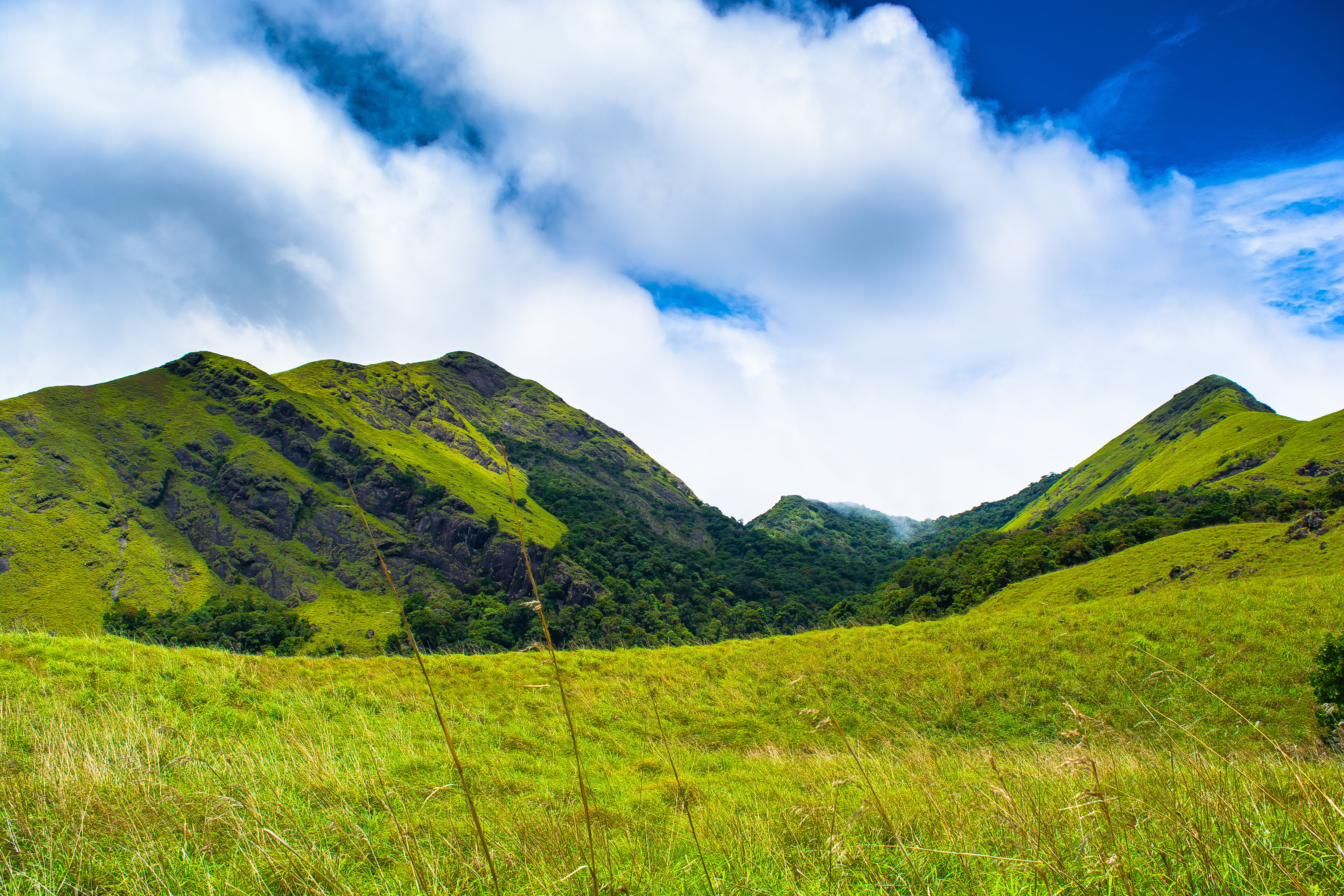
Kerala has a tropical climate and a long coastline stretching over 580 km. The state is characterized by a unique geography that includes coastal plains, midland rolling hills, and the towering Western Ghats, one of the world’s biodiversity hotspots. The highest peak in Kerala is Anamudi, located in the Western Ghats.
Kerala has a long and fascinating history dating back to ancient times. It was an important center of trade and commerce, especially in spices like black pepper, cardamom, and cinnamon. Traders from Arabia, China, and Europe visited Kerala’s ports for centuries.
In ancient times, much of Kerala was part of the Chera dynasty, one of the prominent Tamil dynasties of South India. Later, the region saw the rise of powerful kingdoms such as Calicut under the Zamorins.
In 1498, the Portuguese explorer Vasco da Gama landed at Kozhikode, marking the beginning of European colonial influence in India. Over time, the Portuguese were followed by the Dutch and then the British. After India gained independence in 1947, the modern state of Kerala was formed in 1956 by merging Travancore, Cochin, and the Malabar region under the States Reorganisation Act.
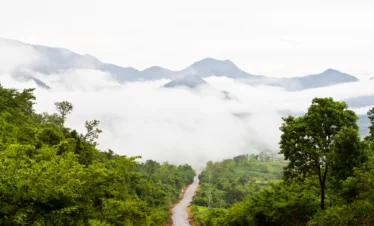
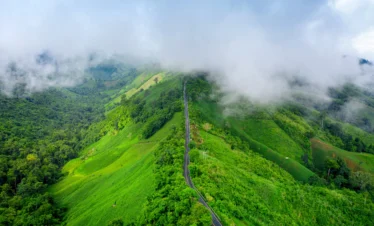
Kerala’s landscape is diverse and scenic:
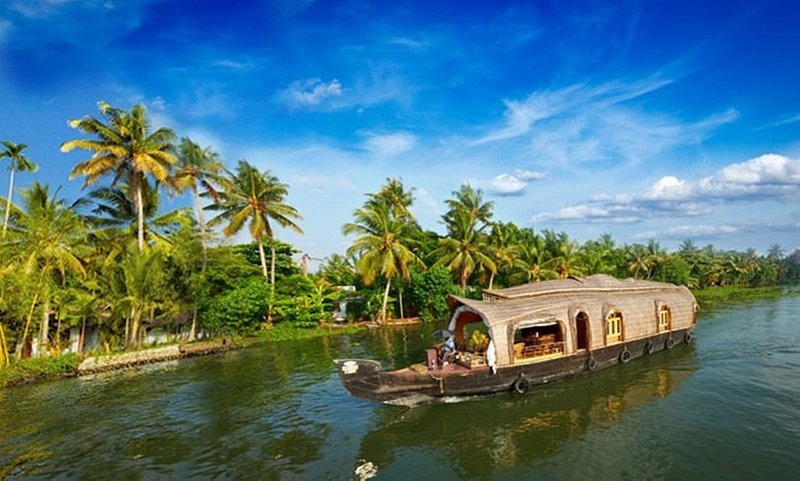
Backwaters: A network of interconnected canals, rivers, lakes, and lagoons, especially around Alappuzha (Alleppey).
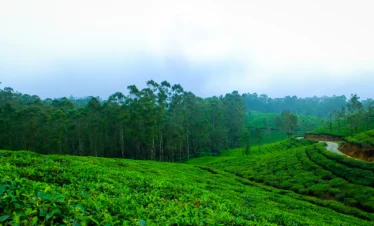
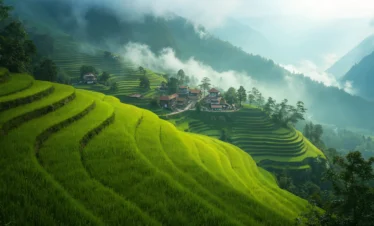
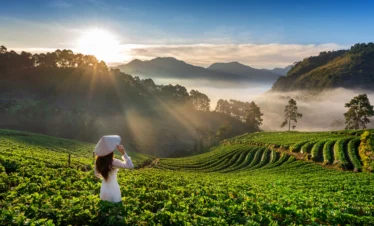
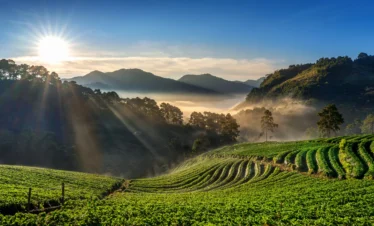
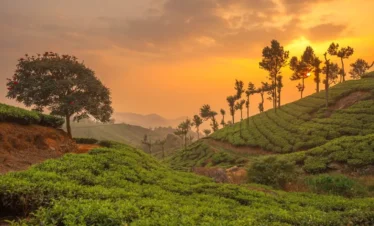
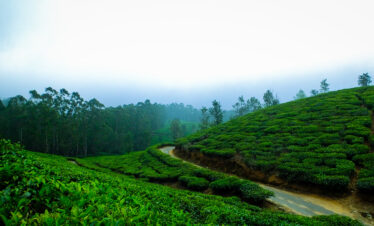
Hill Stations: Popular destinations like Munnar and Wayanad are known for tea plantations and cool climates.
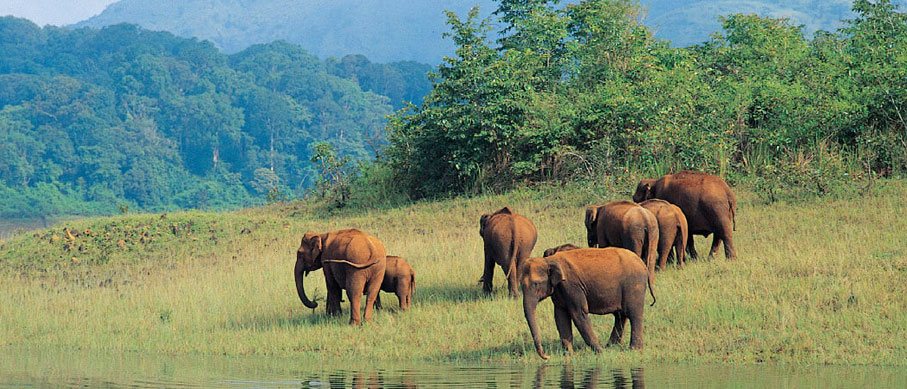
Wildlife: Protected areas such as Periyar Wildlife Sanctuary are home to elephants, tigers, and diverse flora and fauna.
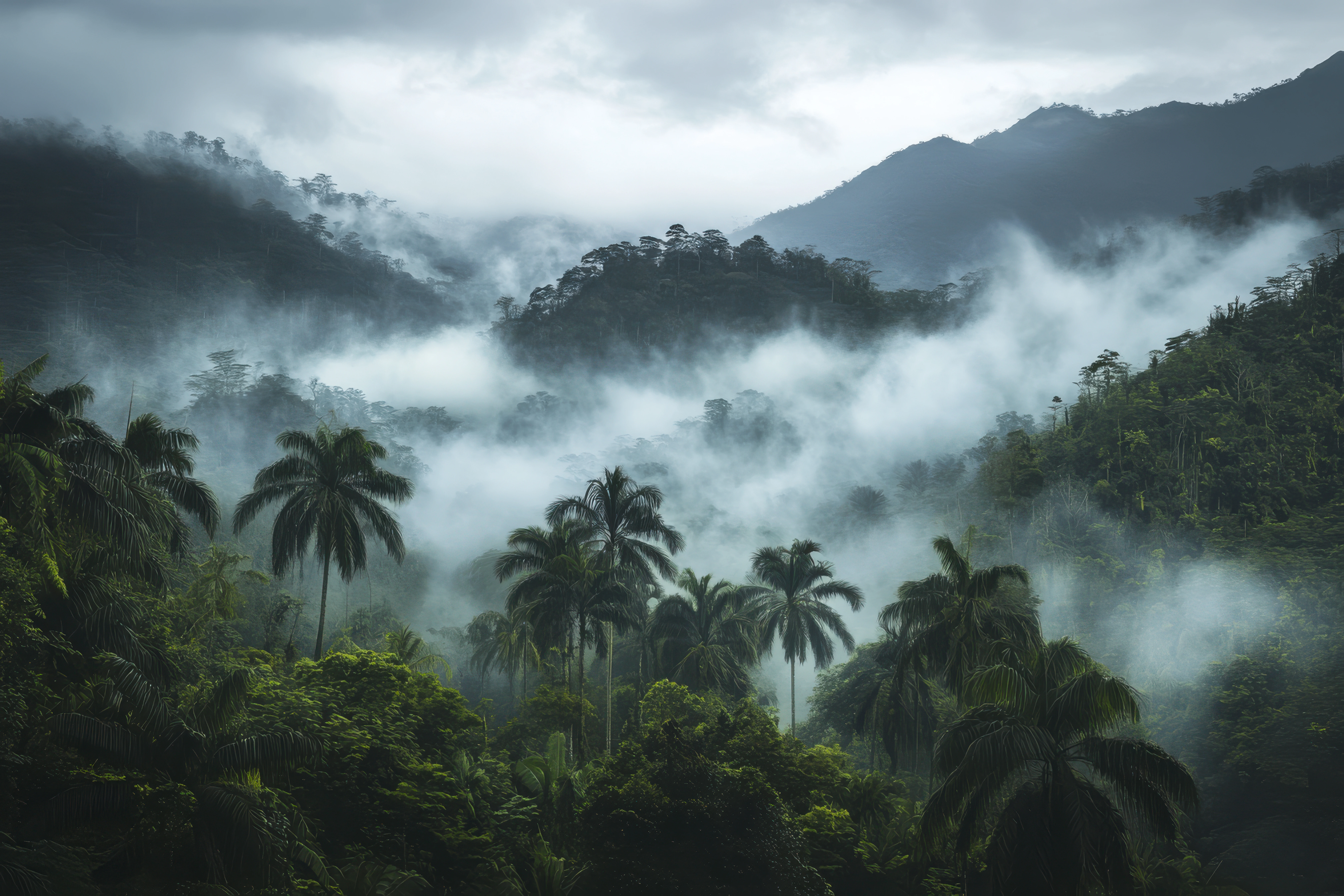
Waterfalls & Forests: Kerala has numerous waterfalls and dense evergreen forests due to heavy monsoon rainfall.
The state receives significant rainfall during the southwest and northeast monsoons, which supports its agriculture and lush greenery.
Kerala is known for its high literacy rate and strong emphasis on education and healthcare. It has a diverse population practicing Hinduism, Islam, and Christianity, with centuries-old traditions of religious harmony.
Traditional art forms include:
Kathakali – a classical dance-drama known for elaborate costumes and makeup.
Mohiniyattam – a graceful classical dance form.
Kalaripayattu – one of the oldest martial arts in the world.
Malayalam is the official language of Kerala. Festivals like Onam and Vishu are celebrated with great enthusiasm across the state.
Tourism is a major contributor to Kerala’s economy. The state attracts visitors for:
Houseboat cruises in the backwaters
Ayurvedic wellness treatments
Beach tourism in places like Kovalam
Eco-tourism in the Western Ghats
Apart from tourism, Kerala’s economy also depends on agriculture (especially coconut, rubber, tea, and spices), fisheries, and remittances from expatriates working abroad, particularly in the Gulf countries.